Moving to NW3 Primrose Hill tips for smooth Camden removals
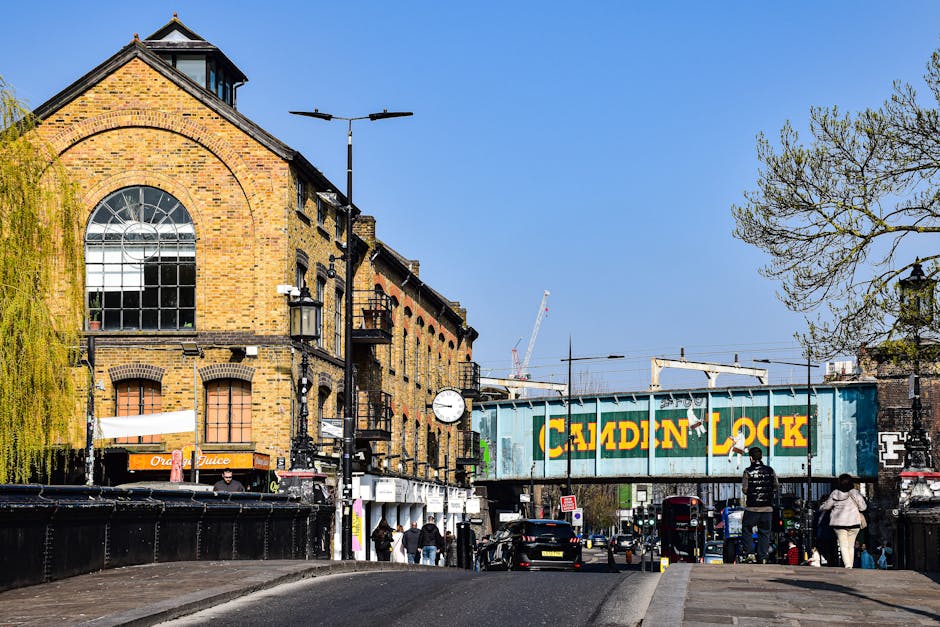
Moving into NW3, especially around Primrose Hill, can feel deceptively simple on paper. In real life, it often means tight streets, parking pressure, upper-floor flats, and neighbours who notice every little scuff on the stairwell. If you are searching for Moving to NW3 Primrose Hill tips for smooth Camden removals, you are probably looking for something more useful than generic moving advice. Fair enough.
This guide breaks the process down in a way that is actually practical for Camden removals: how to plan around access, what to pack first, how to avoid delays, when to choose a van or full removals team, and which small details make the biggest difference on moving day. You will also find a checklist, a comparison table, and a few real-world examples from the kind of move people often underestimate until the boxes are already stacked in the hallway.
- Why moving to NW3 Primrose Hill matters
- How the move works in practice
- Key benefits and practical advantages
- Who this is for and when it makes sense
- Step-by-step guidance
- Expert tips for better results
- Common mistakes to avoid
- Tools, resources and recommendations
- Law, compliance, standards, and best practice
- Options, methods, and comparison table
- Case study or real-world example
- Practical checklist
- Conclusion
- Frequently asked questions
Why Moving to NW3 Primrose Hill tips for smooth Camden removals Matters
Primrose Hill is one of those London areas where the final 500 metres can be more challenging than the whole rest of the journey. The roads may be short, the turns can be tight, and a perfectly normal household move can turn awkward if the vehicle cannot stop close enough to the entrance. That is why local planning matters so much.
Moving to NW3 is not just about getting furniture from A to B. It is about matching the move to the area. A top-floor flat with a narrow stairwell needs a different approach from a ground-floor maisonette. A family home with larger items may need a house removal team, while a compact flat move may suit flat removals or a smaller vehicle. The better the fit, the smoother the day.
Camden is busy, lived-in, and often unforgiving if you arrive unprepared. Residents, delivery vehicles, cyclists, and school runs all compete for space. So, the real value of good removal planning is not just speed. It is calm. Less backtracking, fewer surprises, and fewer moments where someone says, "I thought the sofa would fit."
Key point: in Primrose Hill, the move is usually won or lost before the van arrives. Access planning, packing discipline, and realistic timing do most of the heavy lifting.
How Moving to NW3 Primrose Hill tips for smooth Camden removals Works
A smooth move into NW3 usually follows a simple pattern, although the details vary depending on the property and how much you are taking. First, you map out the access. Then you decide what kind of removals support you need. After that, you prepare the property, the packing, and the schedule so the team can work without constant stopping and starting.
For many local moves, the main choices are: a full service move, a van-and-mover option, or a larger vehicle for bigger household contents. A smaller move might work well with man and van support, while larger or more delicate jobs may be better handled through broader removal services. If you have bulky, awkward, or valuable items, that decision matters a lot more than most people expect.
In practice, the process often looks like this:
- Assess the current property and the new address.
- Check stairs, lifts, door widths, parking, and loading access.
- Choose the right size vehicle and labour support.
- Pack by room and label clearly.
- Protect delicate items, floors, and furniture edges.
- Load in an order that makes unloading efficient.
- Settle into the new home with essentials ready first.
Truth be told, the most common delay is not the driving. It is the unexpected thing in the hallway: a bed frame that needs dismantling, a sofa that will only turn one way, or boxes that were packed a bit too enthusiastically. Not a disaster, just annoying. And avoidable.
Key Benefits and Practical Advantages
When you approach a Primrose Hill move properly, you get more than convenience. You reduce stress in ways that are hard to appreciate until the day itself. Here are the main practical advantages.
- Less delay at the property: planning access ahead of time means fewer awkward pauses at the curb.
- Lower risk of damage: the right packing and lifting approach protects furniture, walls, and stairways.
- Better use of time: a well-structured move gets you unpacking sooner, not chasing missing tape at 4 p.m.
- More predictable costs: clarity on volume, access, and timing helps avoid surprises.
- Less physical strain: this is a big one, especially if you are moving from an upper-floor flat.
There is also a quieter benefit: confidence. Once you know the move has a plan, the whole thing feels lighter. You still have boxes. You still have labels stuck slightly crooked on the side. But the day itself stops feeling like chaos.
For business moves or mixed-use properties in the area, the same logic applies. A compact office removals plan or a broader commercial moves approach can keep downtime down, which is usually the real priority.
Who This Is For and When It Makes Sense
This guidance is useful for a surprisingly wide range of people. If you are moving within Camden, arriving from elsewhere in London, or shifting into a Primrose Hill flat for the first time, these tips will save you time.
It makes especially good sense if you are:
- moving into a top-floor flat or maisonette
- dealing with limited parking or narrow residential streets
- moving with children and need the day to stay organised
- relocating a student room or shared flat
- moving a few bulky items rather than an entire house
- handling a last-minute change in completion date
Smaller moves may be best handled by a flexible vehicle such as a removal van or man with van service. Larger family moves often need a broader team, and furniture-heavy homes may benefit from dedicated furniture removals support. If you are unsure, that is completely normal. Most people are unsure until they look at the pile in the living room and think, "Right... that is more than I remembered."
Students and renters also have their own moving pattern. With deadlines, deposits, and shared buildings, a focused student removals approach can be a better fit than a one-size-fits-all move. The same goes for anyone needing a fast turnaround: sometimes same-day removals are the cleanest solution when timing gets tight.
Step-by-Step Guidance
If you want the move to feel orderly rather than frantic, start early and keep the steps simple. You do not need a colour-coded spreadsheet unless that is your thing. What you do need is a sequence.
1. Confirm the exact property details
Check the address, floor level, access route, doorway width, and whether there is a lift. Ask yourself: where will the van stop, and how far is that from the front door? In NW3, these details often matter more than the postcode itself.
2. Sort what is moving and what is not
Make two piles: keep and release. This sounds obvious, but it is one of the most overlooked steps. If an item will not be used in the new home, consider whether it should be sold, donated, or arranged for a furniture pick up. Moving less is almost always moving better.
3. Choose the right support
Match the service to the job. A small flat move may not need a large truck, while a house move with wardrobes and white goods probably does. If the job is split between rooms, heavy items, and a few fragile pieces, a full removals service may be the safest choice. If you are comparing providers, check removal companies carefully rather than assuming they all work the same way. They do not.
4. Pack room by room
Pack by room, label clearly, and keep important items separate. If you can, use sturdy materials and avoid overfilling boxes. Books are the classic trap. Everyone does it once. Then everyone remembers why that was a mistake.
For packing support, you may find packing and boxes useful, and for a more hands-off approach, packing and unpacking services can save an enormous amount of time.
5. Prepare the property for loading
Clear hallways, protect floors, and keep pets and children out of the busiest areas. If you live in a building with shared access, a little consideration goes a long way. Tape doors if needed, move coats and shoes out of the way, and keep a kettle, charger, and essentials bag somewhere easy to find.
6. Load in the right order
Heavy, durable items usually go first, followed by larger furniture, then boxes and fragile items. This makes unloading simpler and reduces the chance of damage. A good mover will know how to stack safely, but it helps if your labels are clear. Very clear, ideally.
7. Make the first night easy
Keep bedding, basic toiletries, medication, phone chargers, and tea/coffee somewhere separate. You do not want to be searching for the only mug you own while standing in the middle of an unopened kitchen. That little survival box makes the whole evening feel calmer.
Expert Tips for Better Results
After enough moves, patterns become obvious. The following tips sound small, but they can genuinely change how the day goes.
- Measure before moving: doorways, stair turns, sofa length, bed frames, and fridge height. Guessing is not a strategy.
- Keep a photo of the old layout: useful for reassembling rooms and remembering where things fit.
- Pack a tool kit separately: Allen keys, tape, scissors, screwdriver, and spare batteries.
- Label by room and priority: "kitchen - first open" is better than just "misc."
- Avoid mixing loose items: remote controls, cables, and chargers tend to vanish into one mysterious box forever.
Here is another good one: if you are moving a larger property, ask whether the team can supply a suitable moving truck or whether a smaller vehicle is enough for the access conditions. Bigger is not always better in Primrose Hill. Sometimes a smaller vehicle is easier to park and faster to unload.
If you are moving something unusual, such as a baby grand or upright piano, specialist handling matters. Piano moves are the sort of job where improvisation is a terrible idea, so a dedicated piano removals service is usually the sensible route.
Common Mistakes to Avoid
Let's face it, most moving mistakes are not dramatic. They are the quiet little oversights that snowball into stress. Here are the ones worth avoiding.
- Leaving access checks too late: if the van cannot stop near the building, the whole schedule slips.
- Overpacking boxes: one box too heavy to lift is one box too many.
- Not confirming timing: handover windows, completion times, and elevator bookings all need lining up.
- Forgetting disposal plans: old furniture, packaging, and damaged items can clutter the move day.
- Using the wrong type of service: a light move and a full house move are not the same thing, however much we wish they were.
One common Primrose Hill issue is assuming "it's only a short move, so it will be easy." Short distance does not always mean short effort. Sometimes the local move is harder because the access is tighter and the building is older. A little annoying, yes. But predictable once you know what to look for.
Another mistake is ignoring the disposal side of the move. If you are clearing out old chairs, broken shelves, or surplus wardrobes, organising furniture removals or a furniture collection option can save multiple trips later.
Tools, Resources and Recommendations
You do not need a lot of fancy equipment to move well. You need the right basics and a sensible order of operations.
| Item | Why it helps | Best for |
|---|---|---|
| Strong boxes | Protects items and stacks better in the van | Books, kitchenware, clothing |
| Packing tape and labels | Keeps boxes secure and easy to identify | Every type of move |
| Furniture blankets | Reduces scratches and knocks | Tables, wardrobes, desks |
| Tool kit | Makes dismantling and reassembly less stressful | Beds, shelving, modular furniture |
| Storage option | Useful if dates do not line up neatly | Gap between moves, renovations, downsizing |
For awkward timing, renovations, or a delayed move-in date, temporary storage can be a practical bridge. It is one of those services people only appreciate once they need it, and then suddenly it feels essential.
If you want to compare pricing and understand what affects the total, take a look at pricing and quotes. The sensible question is not "what is the cheapest?" but "what is included, and does it fit my move?" That makes a much better decision.
For reassurance around company standards, you may also want to review insurance and safety information. It is a plain but important part of choosing any mover, especially when there are narrow stairs, valuable items, or shared buildings involved.
Law, Compliance, Standards, or Best Practice
A local move is not usually about complex regulation, but it does involve good practice that protects both you and the property. In the UK, moving homes or offices normally means taking reasonable care with access, property protection, lifting, and insurance cover. That sounds straightforward because, well, it should be.
Before moving day, it is wise to confirm that the company's paperwork, liability approach, and operating practices are clear. If you are using professionals, you should expect transparent terms and reasonable safety procedures. You can usually review policies such as terms and conditions, health and safety policy, and the company's about us information to understand how they work.
Good practice also includes:
- protecting communal areas and lifts where possible
- checking if any parking or loading constraints apply at the property
- keeping pathways clear to reduce trip hazards
- separating fragile or high-value items clearly
- confirming what is and is not included in the move
For any provider, a clear recycling and sustainability approach is also a sign of maturity. It suggests they think beyond the job itself and about what happens to packing waste, unusable items, and old furniture. That may sound minor, but in a move, minor things add up fast.
Options, Methods, or Comparison Table
Choosing the right moving method for NW3 usually comes down to property size, access, item type, and how much help you want on the day. Here is a straightforward comparison.
| Option | Best for | Strengths | Trade-offs |
|---|---|---|---|
| Man and van | Small to medium local moves | Flexible, practical, often ideal for compact access | Less capacity than a larger removals team |
| Removal van | Flat moves and lighter household loads | Good for urban streets and quick loading | May require careful packing to maximise space |
| Full removals service | Whole-house moves or mixed loads | More support, better for complex or bulky items | Usually more involved to arrange |
| Storage plus move | Delayed completion, renovation, downsizing | Useful flexibility, less pressure on moving day | Extra coordination needed |
If you are leaning toward a lighter move, the man with a van or man with van model can work well. If the property is larger, or you simply want fewer moving parts to manage, a more complete home moves service may be easier.
And if you are looking at business relocation rather than a home move, the same decision logic still applies. For larger workplaces, office relocation services can reduce downtime and keep the move structured. Different job, same principle: fit the method to the reality, not the wish list.
Case Study or Real-World Example
Picture a couple moving from a one-bedroom flat near Primrose Hill into another NW3 property a few streets away. Not a huge move, on the face of it. But the old building has a narrow staircase, the new one has restricted waiting space outside, and they have a sofa, a bed, several packed kitchen boxes, and a chunky sideboard inherited from family. The moving day window is short. Of course it is.
They start by splitting the job into two categories: essentials and non-essentials. The essentials get packed last and unloaded first. They also measure the sofa and the stairwell, because, to be fair, nobody wants to discover a turning problem halfway up the stairs. The sideboard is wrapped properly. The books are repacked into smaller boxes after someone realises the first ones are absurdly heavy. Good call.
Instead of trying to do everything themselves, they book a smaller urban-friendly vehicle and a pair of movers who understand local access. That means less time circling for parking, fewer trips back and forth, and no panic over the stairwell. The move still has the usual small annoyances - there is always one box that goes missing for a minute - but it feels controlled. Calm, even.
The lesson is simple: a smooth Camden removal is usually not about brute force. It is about matching the move to the building, the street, and the timing. Once that clicks, everything gets easier.
Practical Checklist
Use this checklist in the week before moving day. It is simple, but it covers the details that matter most.
- Confirm the moving date, time window, and access details
- Check floor level, lift availability, and staircase width
- Measure large furniture and note anything that may need dismantling
- Book the right moving support for the size of the job
- Pack a clearly marked essentials box
- Label boxes by room and priority
- Set aside fragile items and valuables separately
- Arrange disposal or collection for unwanted furniture
- Keep communal areas clear and protect floors where needed
- Prepare payment, keys, and important documents in one safe place
Useful final habit: do a five-minute walk-through of both properties before the move starts. It sounds small, but it catches a surprising number of issues.
Get a free quote today and see how much you can save.
Conclusion
Moving to NW3 Primrose Hill does not need to be a headache. When you plan around access, choose the right type of removals support, pack with intention, and keep the day organised, the whole thing becomes much more manageable. Not perfect. Just manageable, which honestly is what most people want.
The biggest wins are usually the simplest ones: clear labels, realistic timing, the right vehicle, and a mover who understands Camden streets. If you get those pieces right, you are already ahead of the game. And once the kettle is unpacked and the first room feels like home, the hard part starts to fade into the background.
Take it one step at a time. You will be fine, really.
Frequently Asked Questions
What makes moving to Primrose Hill different from other parts of London?
Primrose Hill often involves tighter access, limited curb space, and more character properties with stairs or awkward turns. The move itself may be short, but the logistics can be more demanding than people expect.
Is a man and van service enough for a NW3 move?
It can be, especially for smaller flats, student moves, or a few bulky items. For larger homes or heavier loads, a fuller removals service may be safer and easier.
How far in advance should I book removals for Camden?
As early as you can, especially if your move date is tied to completion or a tenancy deadline. Popular dates fill quickly, and last-minute planning tends to make access problems worse.
Do I need storage if my move-in date is delayed?
Yes, storage can be a very practical bridge when dates do not line up neatly. It reduces pressure if you need to vacate one property before the next one is ready.
What should I do with furniture I do not want to take?
Arrange a collection or removal plan before moving day if possible. That way, you are not trying to decide what to do with an unwanted wardrobe while the van is waiting outside.
How can I make a flat move smoother in Primrose Hill?
Measure access, label boxes clearly, avoid overpacking, and keep hallways clear. Flat removals are usually smoother when the route from door to vehicle is as simple as possible.
What kind of packing is best for fragile items?
Use sturdy boxes, wrap items individually, and fill empty spaces so things do not rattle around. Fragile items should be clearly marked and kept separate from heavy boxes.
Is same-day moving a sensible option in NW3?
Sometimes yes, especially for urgent tenancy changes or delayed handovers. It is best used when the job is straightforward and the access has been checked already.
Should I choose a removal van or a larger truck?
Choose based on volume and access. A smaller van can be easier in narrow streets, while a larger truck may suit bigger household contents if parking and loading space allow.
What should I ask a removal company before booking?
Ask about access planning, insurance, what is included, packing help, and any likely extra costs. Clear questions up front usually prevent confusion later.
How do I prepare for a Camden move with children or pets?
Keep their routines as steady as possible, set aside a quiet space on the day, and pack their essentials early. It helps everyone stay calmer when the house is full of movement and noise.
What is the best way to avoid damage during the move?
Use proper packing materials, protect furniture edges, and make sure heavy items are handled by people who know how to lift them safely. A careful move is usually a slower start and a better result.